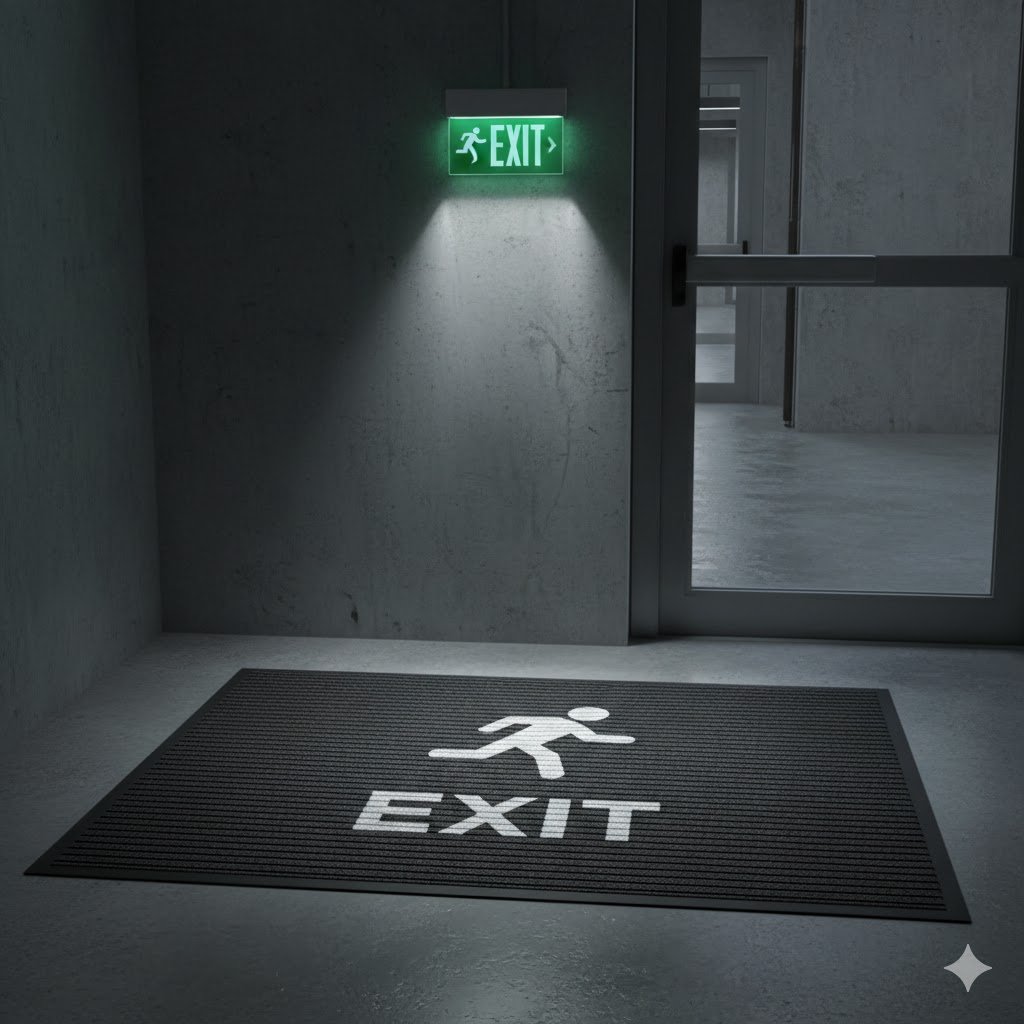

What is Exitsignmat?
An exitsignmat is a specialized safety tool designed to enhance visibility and facilitate safe evacuation during emergency situations. These mats are strategically placed at exit points, providing clear visual cues that guide individuals toward safety in the event of an emergency. The primary function of an exitsignmat is to ensure that the exit path is easily identifiable, particularly in low-light conditions or chaotic environments. This capability is vital, as every second counts during an emergency evacuation.
Exitsignmats are constructed using materials that are durable, slip-resistant, and often feature bright, reflective patterns or colors. The choice of materials ensures that the mats can withstand high foot traffic while maintaining their effectiveness. For instance, many exitsignmats are made from rubber or vinyl, which not only provides excellent durability but also contributes to the slip-resistant features that are crucial in preventing accidents during emergencies.
In terms of design, exitsignmats come in various options to suit different environments and preferences. Some mats are equipped with LED lighting or glow-in-the-dark features that enhance visibility in dark conditions. Others may feature bilingual instructions or universally recognized symbols to accommodate diverse audiences. The versatility in design allows for easy integration into various settings, including commercial spaces, schools, and public buildings, ensuring that everyone can quickly locate exits in a time of crisis.
Overall, exitsignmat serves as a critical component of emergency preparedness strategies, playing an essential role in guiding individuals toward safety efficiently. The combination of its functional design, suitable materials, and adaptability to various environments makes the exitsignmat a fundamental element in any safety plan.
Benefits of Using Exitsignmat
The implementation of exitsignmat in various environments, including commercial buildings, educational institutions, and healthcare facilities, offers several significant advantages that enhance safety and preparedness. Primarily, exitsignmat acts as a critical visual guide that directs individuals toward safe exits during emergency situations. By utilizing these mats, organizations can ensure that evacuation routes remain clear and visible, thereby facilitating a more organized and efficient exit process.
One notable benefit of integrating exitsignmat into safety protocols is compliance with safety regulations. Many jurisdictions require clear indications of emergency exits as part of their safety laws. By incorporating exitsignmat, institutions not only adhere to these regulations but also demonstrate a commitment to the wellbeing of occupants. This compliance can mitigate potential liabilities for organizations, as it reflects a proactive approach to safety management.
Furthermore, exitsignmat contributes to effective emergency training efforts. In schools, for example, utilizing these mats as part of evacuation drills helps students and staff become familiar with the quickest routes to safety. This preparation is especially vital in high-stress situations, where clarity and reassuring visual cues can significantly reduce panic and confusion. Similarly, hospitals can benefit from having exitsignmat installed, guiding patients, visitors, and staff to safety in a calm and orderly fashion during emergencies.
Real-life scenarios underscore the value of exitsignmat. There have been instances where businesses reported a marked improvement in evacuation times following the installation of these mats, highlighting the importance of clear guidance during crises. Moreover, schools have relayed how consistent use of exitsignmat has helped students navigate emergency exits effectively during drills. Ultimately, these benefits demonstrate that exitsignmat is an indispensable tool for fostering a culture of safety in various settings.

Where to Install Exitsignmat
Effectively deploying exitsignmat within a building is pivotal to enhancing safety and ensuring optimal emergency preparedness. The primary focus of placement should be near exits, particularly doors that lead to emergency routes. Ensuring that exitsignmat is strategically positioned within high-traffic areas, such as corridors and lobby spaces, enhances visibility and accessibility, which are crucial during an emergency situation.
In stairwells, exitsignmat serves as a visual guide, signaling safe routes while also taking into consideration the potential for limited lighting during emergencies. Proper placement of the exitsignmat at the top and bottom of staircases, as well as at landings, aids individuals in identifying paths quickly and efficiently. It is essential to select materials with contrasting colors and non-slip textures, as this aids in the visibility of exitsignmat, thus facilitating a more effective evacuation.
While focusing on strategic placement, it is also important to ensure that the exitsignmat is free from obstructions. Regular maintenance checks should be scheduled to assure that the exitsignmat remains clean, visible, and in good condition. Additionally, factors like lighting should be evaluated, given that adequate illumination can significantly enhance the visibility of exitsignmat. In areas prone to foot traffic, periodic assessments should be conducted to verify that exitsignmat stays prominently displayed and is not obstructed by furniture or other installations.
Furthermore, consideration of multi-story buildings requires the deployment of exitsignmat on every level, indicating safe exit routes for individuals who may be unfamiliar with the layout. By adhering to these best practices regarding the installation of exitsignmat, businesses can foster a safer environment and be better prepared for emergencies.
Choosing the Right Exitsignmat
Selecting the appropriate exitsignmat is crucial for ensuring effective emergency preparedness in any building. A well-chosen exitsignmat serves to clearly signal evacuation routes, contributing to the overall safety of occupants during an emergency. There are several key factors to consider when making this decision, primarily focusing on material durability, visibility features, and adherence to local fire and safety codes.
Firstly, the material used in the construction of the exitsignmat must be durable enough to withstand various environmental conditions while maintaining its visibility and structural integrity. Common materials include vinyl, polyester, and heavy-duty plastics, which are designed to endure high foot traffic and harsh conditions without deteriorating. Evaluate the longevity and resistance of these materials to elements like water, oil, and chemicals, ensuring the exitsignmat remains effective in diverse settings.
Secondly, visibility features are paramount in an effective exitsignmat. They should include high-contrast colors and reflective properties to ensure that they can be seen in low-light conditions. The use of luminescent or photoluminescent materials can further enhance the visibility of the exitsignmat, making it an essential component for emergency scenarios. Consider the height and size of the exitsignmat, as well as the text and symbols used, as they should be large enough to be easily readable from a distance.
Lastly, compliance with local fire and safety codes cannot be overlooked. Different jurisdictions may have specific regulations regarding signage and exits. It is vital to consult these regulations during the selection process to ensure that the chosen exitsignmat meets all necessary legal requirements. For those looking for reputable brands or suppliers, companies such as Brady Corporation and Seton offer a range of exitsignmat products that are compliant with various safety standards. Thoroughly evaluating these factors will empower individuals and organizations to make informed decisions regarding their exitsignmat selection.