
What Are Fansqingers?
Fansqingers represent a unique intersection between fandom and musical performance, embodying a fresh wave of entertainment that has captured the interest of diverse audiences. Originating from the combination of fan culture and singing, fansqingers typically involve individuals who engage in vocal performances that pay homage to their favorite artists, bands, or franchises. This phenomenon has gained momentum over the last few years, largely due to the rise of social media platforms where these performances can be shared and celebrated.
The term ‘fansqingers’ itself denotes a fusion of ‘fan’ and ‘singer,’ which aptly describes the essence of this cultural movement. Fansqingers often participate in events known as fandom conventions or online competitions, where they showcase their talents while simultaneously expressing their admiration for pop culture icons. This creates a sense of community among participants, as they connect over shared interests and experiences.
Notable fansqingers have emerged from various musical genres, each bringing a distinctive flair to their performances. For instance, the viral sensation of fan covers on platforms like YouTube has highlighted how individuals can reinterpret popular songs through a fan-centric lens. Some fansqingers have gained considerable recognition and followings, enhancing their influence within both the entertainment sector and the broader fandom community.
The appeal of fansqingers lies in their relatability and authenticity; they are usually drawn from the very fan base they represent. This makes their performances resonate deeply with audiences, fostering a sense of belonging and celebration among fans. As the popularity of fansqingers continues to grow, they not only provide entertainment but also enrich the cultural fabric of contemporary fandoms through their creative expressions.
The Impact of Fansqingers on Fandom Culture
The emergence of fansqingers has brought about a transformative shift in traditional fandom and music communities. Fansqingers, who are artists that engage directly with their followers, create an interactive environment that fosters a deeper connection between creators and fans. This unique relationship not only enhances listener loyalty but also encourages fans to actively participate in the creative process, thereby shaping the music being produced. As artists share their creative journeys online through platforms like social media, audiences feel more invested.
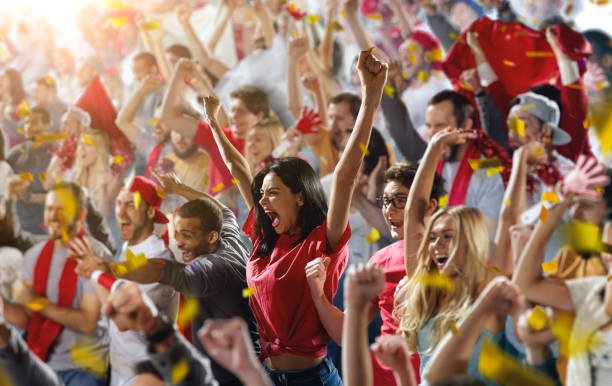
The rise of fansqingers is significantly changing how fandoms operate. Through live-streamed performances and fan-based music events, these artists provide opportunities for fans to come together, share experiences, and celebrate their shared interests. These events have seen a surge in popularity, as they allow communities to bond over mutual admiration for a particular fansinger, capitalizing on both virtual and physical interactions. Such gatherings not only amplify fan engagement but also solidify the sense of belonging among members of the fandom.
Social media and technology play a critical role in promoting fansqingers within the entertainment landscape. Platforms such as TikTok, Instagram, and Twitch allow fans to discover new music, participate in challenges, or engage in discussions surrounding their favorite artists. This accessibility means that fans can support their chosen fansingers more easily, leading to broader acceptance and recognition in the competitive music industry. Furthermore, the ability to share content and receive instant feedback creates a loop of continual growth, where artists fine-tune their output based on audience reactions.
Overall, fansqingers are reshaping the way fans connect with music and each other, establishing new norms in fandom culture that prioritize collaboration, interactivity, and community building.
How to Become a Fansqinger
Becoming a fansqinger involves a multifaceted approach that combines creativity, engagement, and strategic content creation. The first step is to identify and develop your skills. Whether it’s singing, dancing, or another talent, honing your skills is crucial. Practice regularly and seek out feedback from peers or mentors to improve your craft. Additionally, consider the unique aspects of your personality that can help set you apart from others in the fansqinger community.
Building a unique persona is essential in establishing an identity that resonates with your audience. This involves defining your interests and style, which will help viewers understand what to expect from your content. Think about the type of fansqinger you aspire to be—whether that’s through music covers, original songs, or engaging performances. Emphasizing authenticity will attract a loyal following.
Engagement is a key component in nurturing your fanbase. Interacting with your audience through comments, live sessions, or social media platforms will foster a connection, inviting fans to feel involved in your journey. As a fansqinger, leveraging social media is vital. Utilize platforms like Instagram, TikTok, or YouTube to diversify your content and reach a wider audience. Post consistently and explore trends that align with your persona while remaining true to your artistic vision.
Connecting with other fansqingers and communities can provide valuable support. Networking with fellow creators can offer opportunities for collaborations and learning experiences. However, the journey may not always be smooth. Challenges such as content saturation, negative feedback, or maintaining motivation can arise. It is important to stay resilient and continuously improve your craft while adapting to feedback from your audience. With dedication and strategic planning, aspiring fansqingers can flourish in this dynamic entertainment landscape.
The Future of Fansqingers in Entertainment
The landscape of entertainment is constantly evolving, and the unique phenomenon of fansqingers is poised to play a significant role in this transformation. As the boundaries between professional artists and their most dedicated fans blur, we can anticipate exciting new collaborations that blend the talents of fansqingers with established musicians. Such partnerships could lead to innovative musical styles, where the raw enthusiasm and creativity of fansqingers enrich the commercial music scene.
Moreover, the nature of fan engagement is evolving with advancements in digital technology and social media. Fansqingers are leveraging platforms like TikTok, YouTube, and Instagram to showcase their talents, creating an interactive experience that directly involves their audiences. This shift enables fansqingers to connect with their fanbases in authentic ways, encouraging a deeper sense of involvement. As these interactions strengthen, brands and professional artists may further recognize the importance of inclusivity, drawing inspiration from the unique perspectives and artistry of fansqingers.
Furthermore, fansqingers are likely to influence broader trends in music consumption and merchandise. With the rise of personalized content and the desire for more meaningful connections, fansqingers could spearhead a movement that prioritizes authenticity over polished perfection. This could lead to a surge in the demand for unique merchandise and exclusive content that resonates on a personal level, allowing dedicated fansqingers to carve out niches in the market.
In conclusion, the future of fansqingers in the entertainment sector appears promising, marked by collaborative opportunities with established artists, innovative fan engagement strategies, and a potential reshaping of music and media consumption trends. Embracing this unique wave of entertainment may pave the way for a more inclusive and diverse industry, where the voices of fansqingers are celebrated and recognized.