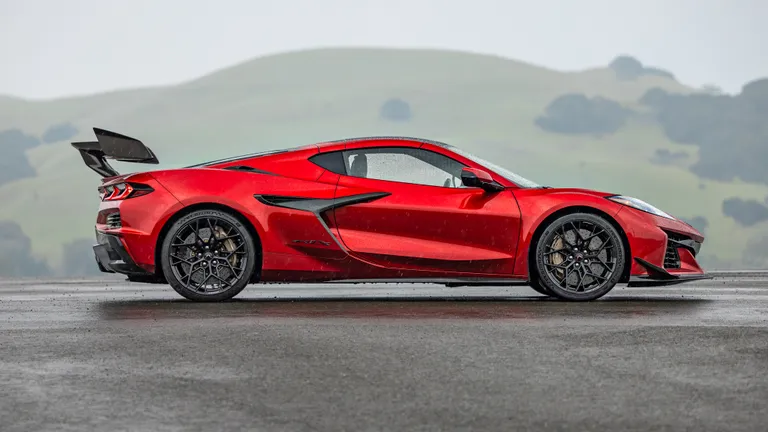

The Cadillac Lyriq offers multiple driving modes that influence both performance and energy consumption. These modes adjust throttle response, regenerative braking, and power delivery, which can affect how far the vehicle travels on a single charge. On a related note, Finding the best ensalada de garbanzos near me in 2024 adds useful context
How Cadillac Lyriq Driving Modes Adjust Vehicle Behavior
The Cadillac Lyriq comes equipped with three primary driving modes: Tour, Sport, and Snow. Each mode is designed to optimize the driving experience for different conditions. Tour mode prioritizes comfort and efficiency, making it ideal for daily commuting and highway driving. It softens throttle input and maximizes regenerative braking to recapture energy during deceleration. Public records covering this story are gathered in Driving
Sport mode enhances responsiveness by sharpening throttle sensitivity and reducing regenerative braking levels. This allows for quicker acceleration and a more dynamic feel, especially during highway merging or spirited driving. Snow mode, as the name suggests, is tailored for low-traction environments. It moderates power delivery to prevent wheel slip and improves stability on icy or wet roads.
These adjustments are managed through the vehicle’s software, which communicates with the electric motor, battery management system, and braking components. The changes are not merely cosmetic; they directly influence how energy is used and recovered during operation. Public records covering this story are gathered in How Cadillac Lyriq Driving Modes Impact Range and Battery Usage
Impact of Driving Modes on Range and Battery Usage
Yes, the driving modes in the Cadillac Lyriq do affect both range and battery usage, though the extent varies by driving style and conditions. Tour mode typically delivers the highest efficiency because it encourages smoother acceleration and stronger regenerative braking. This mode can help extend range by minimizing unnecessary power draw and maximizing energy recovery.
In contrast, Sport mode tends to reduce overall range due to increased power demand and reduced regenerative braking. The more aggressive throttle mapping leads to faster energy depletion, especially during frequent acceleration. However, this trade-off is intentional, offering drivers a more engaging experience when performance is prioritized over efficiency.
Snow mode generally falls between Tour and Sport in terms of energy consumption. While it limits peak power to maintain traction, it does not significantly reduce efficiency under normal winter driving conditions. The key benefit is safety, not range extension, though cautious driving in this mode can still support reasonable battery usage.
Real-world testing by automotive reviewers has shown measurable differences in range depending on mode selection. For example, sustained use of Sport mode on highways can result in a noticeable drop in estimated range compared to Tour mode under identical conditions. These variations underscore the importance of mode selection based on driving needs.
What Is Confirmed and What Remains Unverified
Official documentation from General Motors outlines the functional differences between Tour, Sport, and Snow modes, including their impact on throttle response and regenerative braking strength.
However, exact numerical differences in range between modes have not been officially published by Cadillac. While independent tests suggest a meaningful gap—particularly between Tour and Sport—there is no standardized data set across all driving scenarios. Factors such as speed, terrain, temperature, and driving habits further complicate direct comparisons.
Additionally, the long-term effects of frequent mode switching on battery health remain unclear.
Why Mode Selection Matters for Lyriq Owners
Understanding how driving modes influence range and battery usage helps owners make informed decisions. For daily commuters seeking maximum efficiency, using Tour mode consistently can help preserve battery charge and reduce charging frequency. This is especially valuable for those with limited access to fast chargers or longer commutes.
Conversely, drivers who value performance or frequently travel on winding roads may prefer Sport mode despite the efficiency trade-off. The enhanced responsiveness can improve confidence and control, particularly in dynamic driving situations.
Ultimately, the Cadillac Lyriq’s driving modes provide flexibility without requiring manual adjustments to individual systems. This integration simplifies the driving experience while still allowing users to tailor energy use to their priorities. As electric vehicle technology evolves, such adaptive systems will likely become more sophisticated, offering even greater control over efficiency and performance.