
Understanding the FBI Warning on Smartphone Messaging
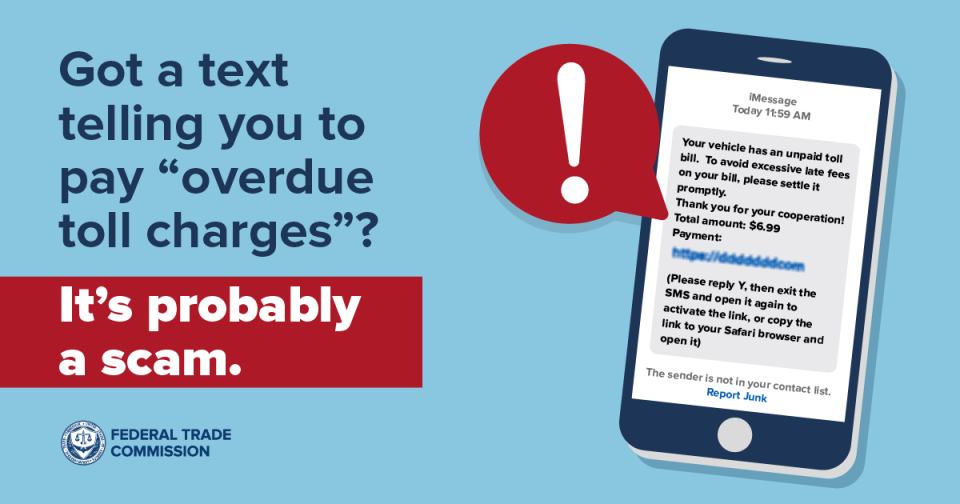
The Federal Bureau of Investigation (FBI) has issued a warning to smartphone users regarding the security risks associated with messaging applications. This advisory highlights the growing threat of cyberattacks and data breaches that can expose sensitive personal information. The FBI’s stance emphasizes the need for users to be vigilant about the messages they retain on their devices and the potential risks they carry.
Central to the FBI warning is the prevalence of data vulnerabilities inherent in popular messaging platforms. With the increase in digital communications, these applications have become prime targets for hackers. Malicious actors can exploit weaknesses to gain unauthorized access to smartphones, leading to compromised personal conversations and sensitive data. Therefore, the FBI urges users to delete messages that contain private or sensitive information to mitigate this risk. The potential consequences of failing to follow this guidance can range from identity theft to financial loss.
The warning does not merely serve as a cautionary tale. It reflects a broader concern about the persistent threat landscape that smartphone users navigate daily. With the vast amount of personal data stored in messaging apps, the implications of data breaches can be severe. The FBI advocates for proactive measures, such as regular deletion of messages, implementing secure passwords, and using encrypted messaging services to safeguard communications. This recommendation is especially pertinent in light of recent high-profile cyber incidents that underline the importance of digital security.
Ultimately, users who disregard the FBI warning—specifically the advice to delete messages—risk exposing themselves to significant threats. Understanding the context and urgency of the FBI’s advisory can help users take appropriate measures to protect their information effectively. Through increased awareness and prompt action, smartphone users can better defend themselves against the evolving dangers posed by modern hackers.
Why Deleting Messages is Crucial for Privacy
In today’s digital age, smartphones have become essential tools for communication, storing a wealth of personal information. As such, the importance of maintaining privacy on these devices cannot be overstated. One of the key actions users can take to protect their data is to regularly delete messages. The FBI warning emphasizing that smartphone users must delete messages now serves as a stark reminder of potential risks associated with saved communications.
Leaving messages on smartphones exposes users to a myriad of threats, primarily unauthorized access. If a device is lost, stolen, or hacked, sensitive information stored within messages can be easily retrieved by malicious individuals. For instance, consider a scenario where an individual neglects to delete sensitive conversations about financial matters. If this individual’s smartphone falls into the wrong hands, cybercriminals could exploit this information for identity theft or financial fraud.
Moreover, there have been real-world cases where data breaches have confirmed the importance of efficient message management. High-profile incidents involving prominent corporations demonstrate that even companies with advanced security systems can be vulnerable. In such cases, personal data, including messages, potentially ends up in the hands of those with ill intentions, putting users at risk of exploitation.
As cyber threats continue to evolve, the longer sensitive messages are stored, the greater their risk of exposure. Deleting messages promptly reduces the likelihood of these conversations being accessed and misused. With the FBI warning explicitly advising smartphone users to delete messages now, individuals should heed this advice to mitigate privacy risks. Implementing a robust message deletion habit not only fortifies personal data security but also fosters a safer digital environment.
How to Secure Your Smartphone Messages
In an era where cyber threats are increasingly common, it is essential for smartphone users to implement effective strategies for securing their messages. One of the most critical first steps is to delete messages that may contain sensitive information. Regularly clearing your message history reduces the risk of data leaks or unauthorized access. For both iOS and Android users, setting up automatic deletion of older messages can be an effective way to enhance security.
Utilizing privacy settings is equally important. On iOS, users can enable options that limit message previews on the lock screen, ensuring that personal information remains concealed from prying eyes. Likewise, Android users should explore the notification settings to prevent sensitive content from appearing in notifications. By adjusting these settings, smartphone users can take a proactive approach to their security.
Encryption plays a crucial role in safeguarding communications. Many modern messaging apps, such as WhatsApp and Signal, offer end-to-end encryption, which ensures that messages can only be read by the sender and the intended recipient. Users should consider downloading applications with robust security features, providing an additional layer of protection for their conversations.
In addition to built-in features, various security apps can assist in enhancing the protection of sensitive communications. Apps that focus on anti-malware and data encryption can provide extra security measures for smartphone users. Moreover, regularly updating your device’s operating system and applications can protect against vulnerabilities that may expose personal data.
To summarize, by adopting these practices—deleting messages regularly, adjusting privacy settings, using encryption, and considering security apps—smartphone users can significantly reduce their risk of falling victim to security threats. Implementing these measures will not only secure existing messages but will also establish a foundation for safe communication in the future.
Looking Forward: The Future of Messaging Security
The realm of messaging security is continually evolving, necessitating that smartphone users remain vigilant and informed about potential threats. As organizations like the FBI issue warnings regarding the risks associated with stored messages, it becomes imperative to consider the implications of these advisories. Users must take the FBI warning to heart and understand that evolving technology can offer both heightened convenience and increased vulnerability.
In the near future, advancements in mobile security are likely to emerge, emphasizing encryption and secure messaging protocols. Innovative technologies such as end-to-end encryption and two-factor authentication may become standard features in messaging applications, helping to safeguard user data and provide a stronger defense against unauthorized access. However, with the proliferation of sophisticated cyber threats, it is essential for users to stay ahead of any potential vulnerabilities and be prepared for further warnings from agencies like the FBI.
Moreover, as artificial intelligence (AI) continues to refine its capabilities, there may be further developments that enhance real-time threat detection, enabling smartphone users to react proactively. This underscores the importance of being aware of emerging security challenges and understanding the significance of deleting messages that may expose personal information or sensitive data.
To effectively navigate this evolving landscape, users should prioritize education on best practices for messaging security. This includes not only adhering to the FBI warning regarding deleted messages but also remaining engaged with updates from cybersecurity experts, tech companies, and law enforcement agencies. By fostering a proactive approach to messaging security, smartphone users can minimize the risks posed by evolving threats and ensure their digital communications remain protected in an increasingly complex environment.