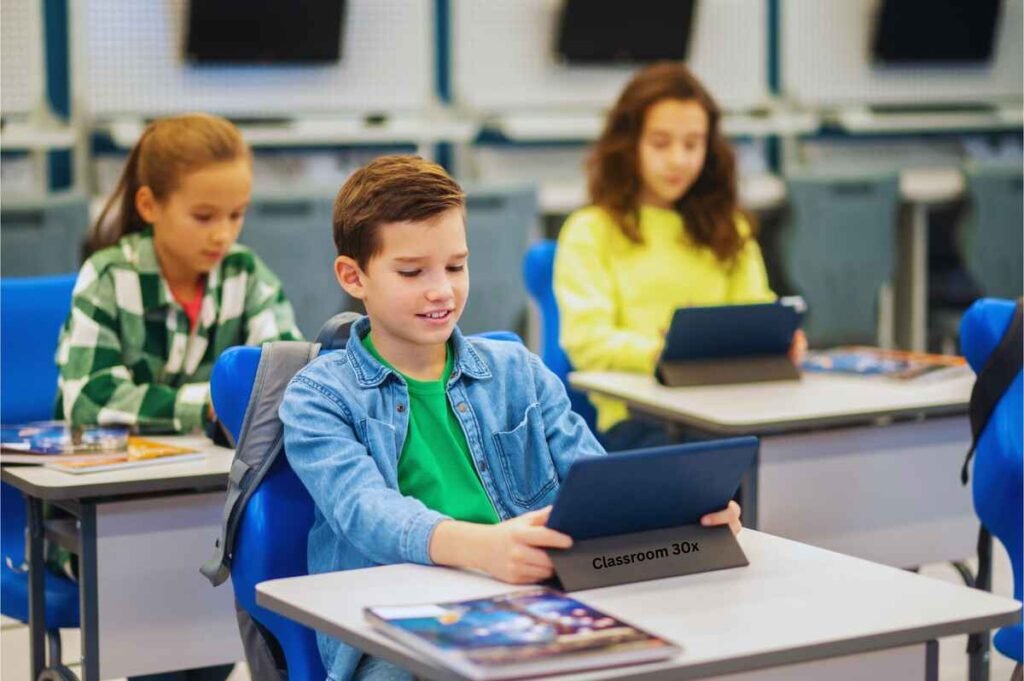

Understanding Classroom 30x
The Classroom 30x is a revolutionary educational framework that aims to enhance the learning experience by emphasizing active participation, collaboration, and real-world application of knowledge. Developed in response to the limitations of traditional teaching methods, this innovative approach encourages educators to rethink the dynamics of the classroom setting. Instead of a one-size-fits-all model, Classroom 30x promotes tailored learning paths that cater to the diverse needs of students.
Originating from the desire to create more engaging and effective learning environments, Classroom 30x incorporates various teaching methodologies such as project-based learning, flipped classrooms, and experiential learning. These techniques are designed to foster critical thinking and problem-solving skills, equipping students with the tools necessary for success in today’s complex world. The framework is underpinned by the belief that education should not only impart knowledge but also cultivate competencies that students can carry into their future endeavors.
One of the core principles of Classroom 30x is the facilitation of peer-to-peer interactions. By encouraging collaboration among students, the classroom becomes a dynamic space where learners can share ideas, debate concepts, and develop a sense of community. This collaborative atmosphere not only enhances comprehension but also builds essential social skills that are vital in both personal and professional contexts.
Moreover, Classroom 30x places emphasis on the importance of technology in education. By integrating digital tools and resources, educators can create more interactive and personalized learning experiences. This integration allows students to engage with material in ways that resonate with their individual learning styles, further enhancing their understanding and retention of information.
In conclusion, Classroom 30x represents a significant shift in educational philosophy, focusing on student-centered learning and adaptability. Its innovative methodologies not only aim to transform classroom experiences but also empower both educators and students, fostering a culture of lifelong learning.
Benefits of Implementing Classroom 30x
The adoption of the Classroom 30x model brings forth substantial benefits that can transform educational experiences for both students and educators alike. One of the key advantages of this approach is an increase in student engagement. Through interactive activities and collaborative projects, students are not mere passive recipients of knowledge; instead, they become active participants in their learning journey. By integrating technology and innovative teaching methods, Classroom 30x significantly boosts students’ motivation and encourages them to take ownership of their learning.
Moreover, Classroom 30x fosters deeper learning experiences. Traditional methods often focus on rote memorization, whereas this model promotes critical thinking and problem-solving skills. By confronting real-world challenges in a supportive environment, students can apply classroom teachings to practical situations, making the knowledge more relevant and memorable. For instance, educators utilizing the Classroom 30x model have reported improvements in students’ ability to comprehend complex concepts through hands-on experiences and group discussions.
Collaboration is another hallmark of Classroom 30x. The design of the classroom encourages teamwork and communication among students, breaking down barriers that typically exist in conventional learning settings. In this collaborative atmosphere, students learn from one another and develop essential social skills that are critical for their future. Feedback from educators indicates that class cohesion is strengthened, leading to improved academic outcomes.
To illustrate the effectiveness of Classroom 30x, many educators have shared success stories. For example, a high school teacher witnessed a marked improvement in class participation rates after implementing this model. Additionally, teachers noted a significant enhancement in students’ analytical abilities, underscoring the positive impact of active engagement. Overall, the Classroom 30x model presents an innovative framework that paves the way for enriched learning experiences and academic success.
Challenges and Solutions in Adopting Classroom 30x
The transition to Classroom 30x presents several challenges that educators may encounter. One of the most notable hurdles is the inherent resistance to change. Many educators and school staff may be accustomed to traditional teaching methodologies, fostering skepticism toward new models like Classroom 30x. To address this, it is essential to emphasize the proven benefits of this approach, providing thorough training and clear examples that demonstrate its positive impact on student learning outcomes.
Another prevalent challenge is resource limitation. Implementing the Classroom 30x model often requires access to new technologies, materials, and infrastructure that may not be readily available in all educational settings. Schools can navigate this issue by forming partnerships with local businesses or organizations, securing funding through grants, or reallocating existing resources to better support innovative teaching initiatives. Collaborating with community stakeholders can also enhance resource availability, fostering a supportive environment for the Classroom 30x model.
Training requirements can also pose a significant barrier to the successful adoption of Classroom 30x. Educators may require extensive training to effectively leverage the new methodologies and technologies that underpin this approach. To mitigate this challenge, schools should invest in professional development programs designed specifically for Classroom 30x. These programs should focus on not only the technical aspects but also on actionable strategies to implement this teaching model. By fostering a culture of continuous learning and adaptation, educators will feel more equipped to embrace the Classroom 30x model.
In essence, while transitioning to the Classroom 30x model may present obstacles, targeted solutions can facilitate a smoother adaptation process. By addressing resistance to change, resource limitations, and training needs effectively, educators can promote an enriching learning environment that harnesses the full potential of the Classroom 30x approach.
Future of Classroom 30x and Its Impact on Education
The Classroom 30x model represents a significant paradigm shift in the field of education, leveraging emerging technologies and innovative methodologies to enhance student learning. As educational institutions increasingly adopt this model, we can anticipate several transformative trends that will reshape the future of teaching and learning.
One prominent trend is the integration of advanced educational technology, such as artificial intelligence and virtual reality, into the Classroom 30x framework. These technologies facilitate personalized learning experiences, allowing educators to tailor instruction to meet the diverse needs of students. With AI-driven analytics, teachers can gain insights into individual learning patterns and adapt their pedagogical approaches accordingly. Moreover, virtual reality can create immersive learning environments that engage students more deeply, thereby enhancing knowledge retention and understanding.
Furthermore, the Classroom 30x approach encourages a more collaborative curriculum design. Educators will work together across disciplines to create interdisciplinary projects that reflect real-world challenges and inspire critical thinking. This collaborative effort will likely lead to the emergence of new learning communities, fostering a culture of innovation within academic institutions and beyond.
As the Classroom 30x methodology continues to evolve, experts predict significant improvements in student outcomes. Engaging pedagogies, combined with technology-enhanced learning, have the potential to boost student motivation and achievement. Additionally, by prioritizing skills such as creativity, problem-solving, and teamwork, the model aligns students to meet future workforce demands.
In conclusion, the future of the Classroom 30x model indicates a profound impact on educational practices and student learning experiences. By embracing technology and collaborative learning approaches, educational institutions can better prepare students for the complexities of the modern world, ensuring they are equipped with the necessary skills to thrive in their future endeavors.