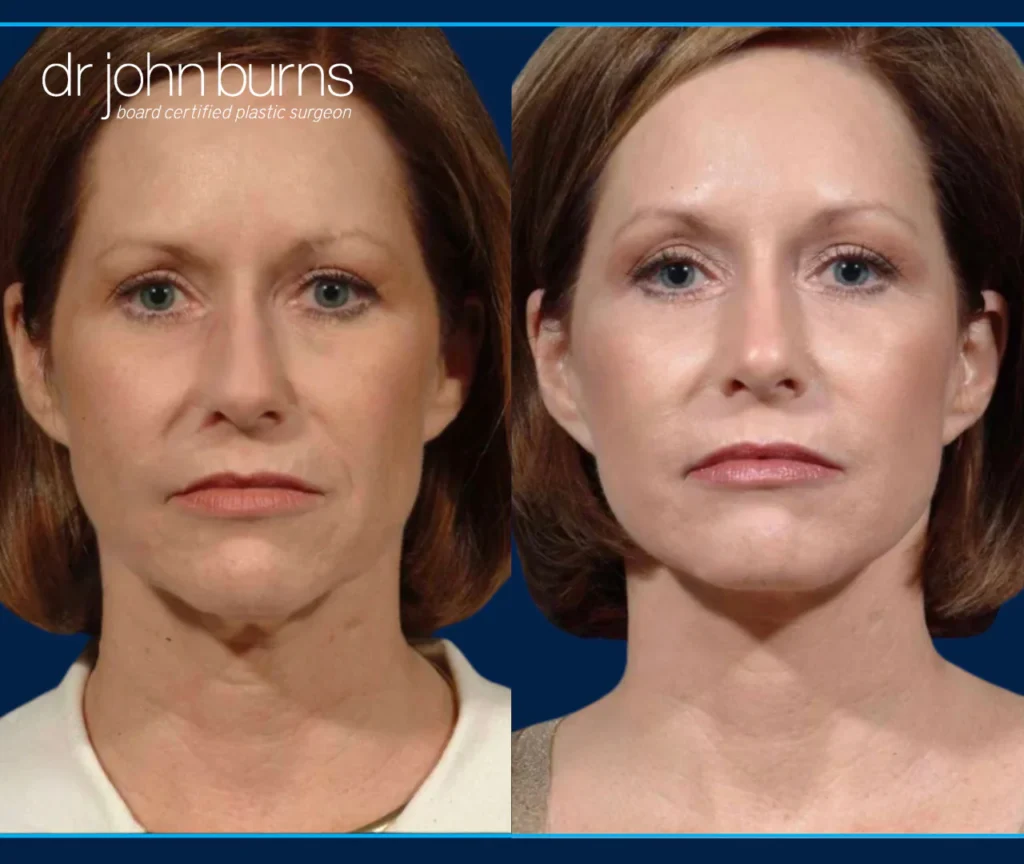

What is a Mini Face Lift?
A mini face lift, also known as a shorter facelift or limited facelift, is a cosmetic surgical procedure designed to improve the appearance of the lower face, particularly the jawline and neck area. Unlike a traditional full face lift, which addresses various facial regions including the forehead and cheeks, a mini face lift focuses primarily on sagging skin and subtle fat deposits in the lower regions of the face. This less invasive option is appealing for individuals seeking a more rejuvenated appearance without the extensive downtime associated with a more comprehensive facelift.
The procedure typically involves smaller incisions made around the ears, which allows the surgeon to lift and reposition the skin and underlying tissues. This targeted approach often results in quicker recovery times and less post-operative discomfort when compared to a full face lift. Patients choosing a mini face lift can expect to see results that erase years from one’s appearance, with outcomes that can last for several years, depending on individual genetics and lifestyle.
Ideal candidates for a mini face lift tend to be individuals who exhibit early signs of aging, such as jowls or slight sagging skin, yet do not have excessive skin laxity that would warrant a full facelift. Generally, patients in their 40s to 60s are often considered the best candidates. This procedure is designed for those seeking rejuvenation without the dramatic changes that may come with a more extensive operation. However, careful consultation with a qualified surgeon is essential to determine whether the mini face lift is indeed the best option, to avoid complications such as a botched mini face lift, which could detract from the aesthetic objectives of the procedure.
A botched mini face lift can occur for several reasons, and understanding these factors is essential for prospective patients. One of the primary reasons originates from inexperienced surgeons who may not possess the necessary skills or expertise to perform the procedure effectively. A thorough evaluation of a surgeon’s qualifications, credentials, and past patient reviews is crucial before committing to surgery. An untrained or poorly equipped practitioner may not accurately assess the unique anatomical features of a patient, leading to severe complications or unsatisfactory results.
Another contributing factor is unrealistic patient expectations. Often, individuals seeking a mini face lift have specific aesthetic goals that may not align with what is feasible given their unique facial structure and age. When too much emphasis is placed on achieving perfection, patients may feel disappointed, regardless of the skill of the surgeon. It is vital for surgeons to communicate clearly with their patients about the achievable outcomes of the procedure, ensuring that expectations are realistic and grounded in medical facts.
Furthermore, improper post-operative care can greatly impact the results of a mini face lift. Aftercare is crucial for promoting healing and minimizing the risk of complications. Patients who fail to adhere to the surgeon’s post-operative guidelines may experience issues, such as infection, excessive scarring, or uneven results. Proper education on recovery protocols, including guidelines on physical activities, skin care, and follow-up appointments, is essential.
In addition to these factors, the technique employed during the surgery can also dictate the outcome. An improper incision placement or inadequate tissue tightening can result in a botched mini face lift. Therefore, conducting thorough research and consultation before undergoing surgery is paramount to ensure a safe and satisfactory experience.
Symptoms and Signs of a Botched Mini Face Lift
A mini face lift is a popular cosmetic procedure aimed at enhancing facial appearance by correcting sagging skin. However, when the procedure does not meet the desired expectations, symptoms may arise that indicate a botched mini face lift. One of the primary physical signs of a poorly executed procedure is asymmetry; uneven healing can result in a lopsided appearance, drawing attention to the affected areas. Additionally, noticeable scarring may occur, especially if the incisions are not made or healed properly. This can lead to an unnatural look, highlighting the surgical alterations rather than the intended enhancements.
Other indicators include overly tight skin, which can yield a stretched or artificial look, detracting from the individual’s natural beauty. Patients may also experience complications such as swelling, bruising, and changes in skin texture, all of which should be monitored closely. Emotional impacts can be just as significant as the physical signs. Individuals may feel dissatisfied with their results, leading to anxiety and a decrease in overall well-being. These feelings of distress can stem from not achieving one’s aesthetic goals or being unable to recognize oneself post-operation.
If noticeable signs of a botched mini face lift appear, it is crucial to seek professional help promptly. Consulting with a qualified plastic surgeon who specializes in corrective procedures can provide guidance and potential solutions. Addressing the concerns early not only helps rectify physical issues but also alleviates emotional distress, leading to a more positive outcome. Recognizing the symptoms and seeking timely intervention can play a vital role in restoring confidence and satisfaction post-procedure.
Corrective Measures and Psychological Support for Victims
Individuals who have experienced a botched mini face lift often undergo a period of profound emotional and psychological turmoil. The physical outcomes of such surgical mishaps can range from unsatisfactory aesthetic results to serious complications that may affect one’s overall health. Therefore, it is crucial for these individuals to seek corrective measures not only to address the physical consequences but also to find psychological support.
For those looking to rectify the issues stemming from a botched mini face lift, various options are available. Corrective surgical procedures can be employed to enhance the desired results. Consulting with a qualified and experienced plastic surgeon is vital in order to evaluate the extent of the issues and develop a tailored corrective strategy. Surgeons specializing in facial aesthetics are more likely to understand the complexities associated with correcting a botched procedure and can provide valuable insights on the best approach.
In addition to surgical options, non-surgical alternatives such as dermal fillers, Botox, or laser treatments can also be explored. These less invasive techniques may help mitigate some of the undesirable effects of a failed mini face lift. However, it is essential to ensure that the practitioner involved possesses the necessary credentials and experience in managing cases resulting from previous surgical errors.
Equally important is the psychological aspect of recovery. Many victims of a botched mini face lift face issues such as low self-esteem, anxiety, and depression. Seeking psychological support, through therapy or support groups, can be beneficial in navigating the emotional ramifications of their experience. Providing a safe space for individuals to share their stories and feelings can facilitate healing and resilience.
Ultimately, navigating the aftermath of a botched mini face lift requires a comprehensive approach that includes both corrective measures and emotional support. With the right resources, victims can begin to reclaim their confidence and achieve the aesthetic results they initially desired.